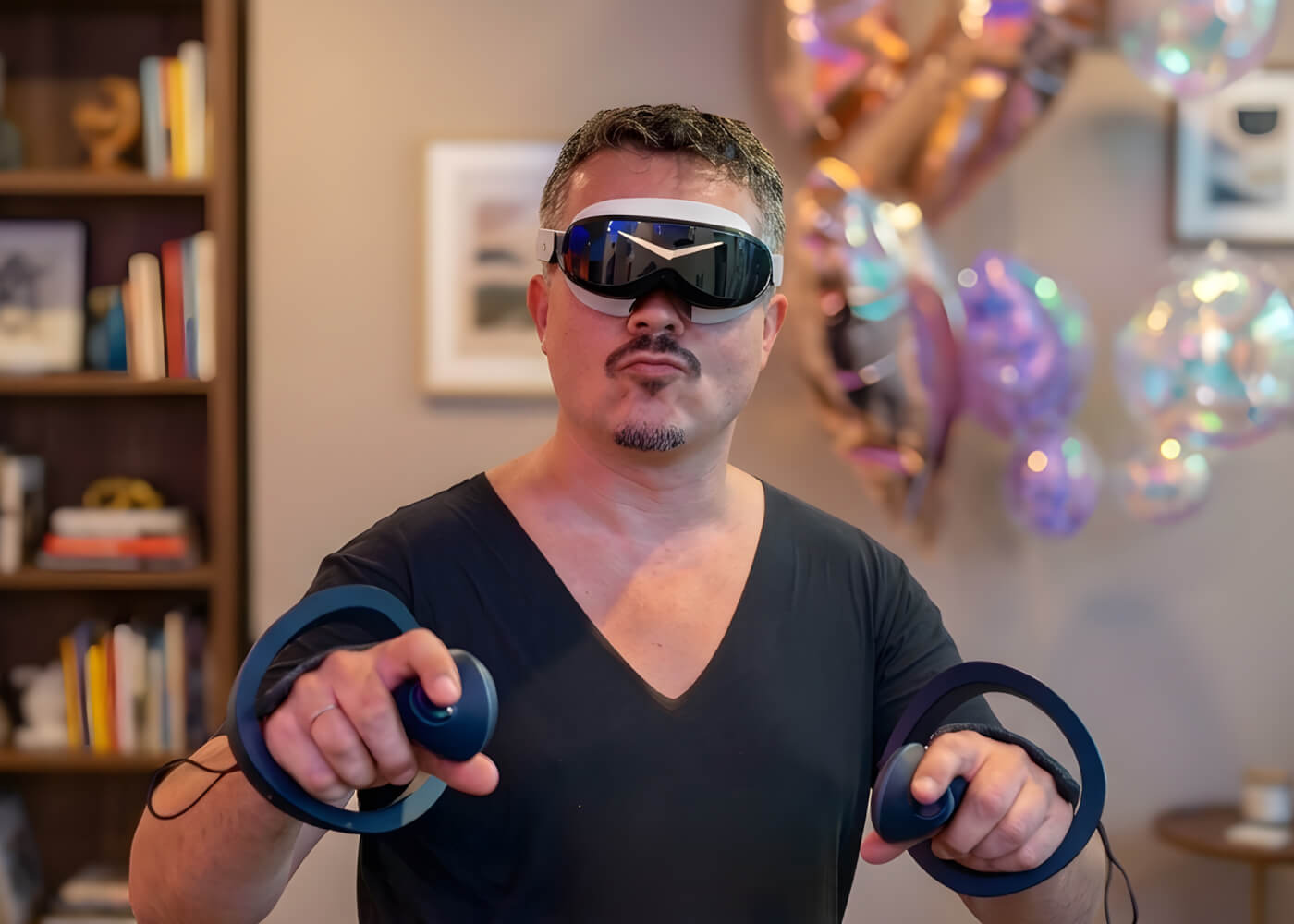
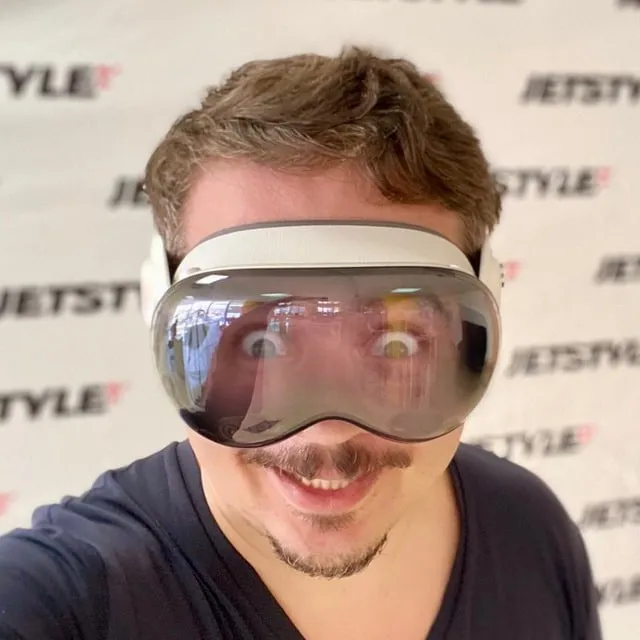

Pimax Dream Air Review: A Practical Look at High-End PC VR
At JetStyle, we take a hardware-agnostic approach to XR. Our clients’ business goals come first, so we need to be able to choose and work with different hardware rather than build our solutions around one particular headset. That’s why testing new devices is a regular part of what we do. More about our approach to XR development: https://jet.style/xr
I’m Alex Markin, Creative XR Director and co-founder at JetStyle, and in this article I’ll share my first impressions of Pimax Dream Air — a lightweight high-resolution PC VR headset that takes an interesting direction: bringing Pimax’s focus on visual quality into a much smaller form factor.
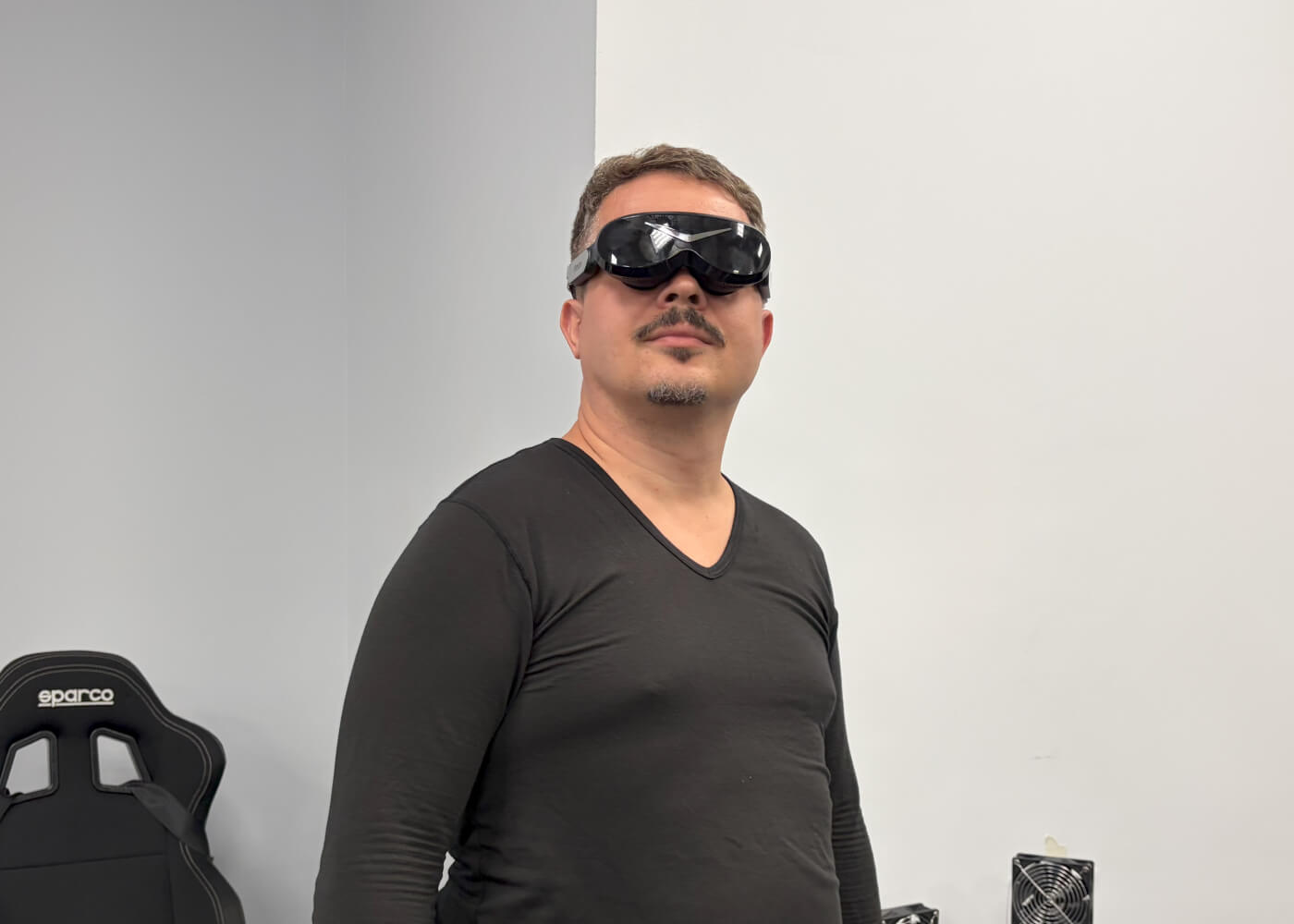
This is not a traditional “specs comparison” review. The more interesting question is: where does this headset actually fit in the XR ecosystem?
Disclosure: Pimax provided us with a Dream Air headset for testing. This review reflects our own experience and professional perspective as an XR development team.
Part 1 of the review will focus on the form factor, positioning, and first impressions.
What Makes Pimax Dream Air Different From Other VR Headsets?
Pimax has always been a somewhat unusual player in the XR market. Unlike Meta Quest, which focuses on making VR accessible to the widest possible audience, Pimax has historically targeted a more specific group of users:
- VR enthusiasts;
- simulation fans;
- developers;
- professionals who need very high visual fidelity.
Their previous devices became known for extremely high resolution and wide fields of view — features that are especially valuable in simulations and visualization scenarios.
Dream Air feels like an attempt to solve a different problem: how do you keep high-end visuals while making the headset smaller and more comfortable?
The Most Noticeable Feature of Dream Air: Its Size
The most noticeable difference compared with classic high-resolution PC VR headsets is the form factor.
High-end VR has traditionally come with a trade-off: better visuals often mean bigger and heavier hardware, and Pimax is no exception here. Many of their previous headsets are known to be a bit bulky.
That’s why Dream Air feels like such an interesting change of direction. It is much more compact than typical Pimax devices and feels closer to the modern trend of making XR hardware less intrusive.
The headset sits comfortably, and the facial interface feels more universal than some competing lightweight devices that require more individual fitting.
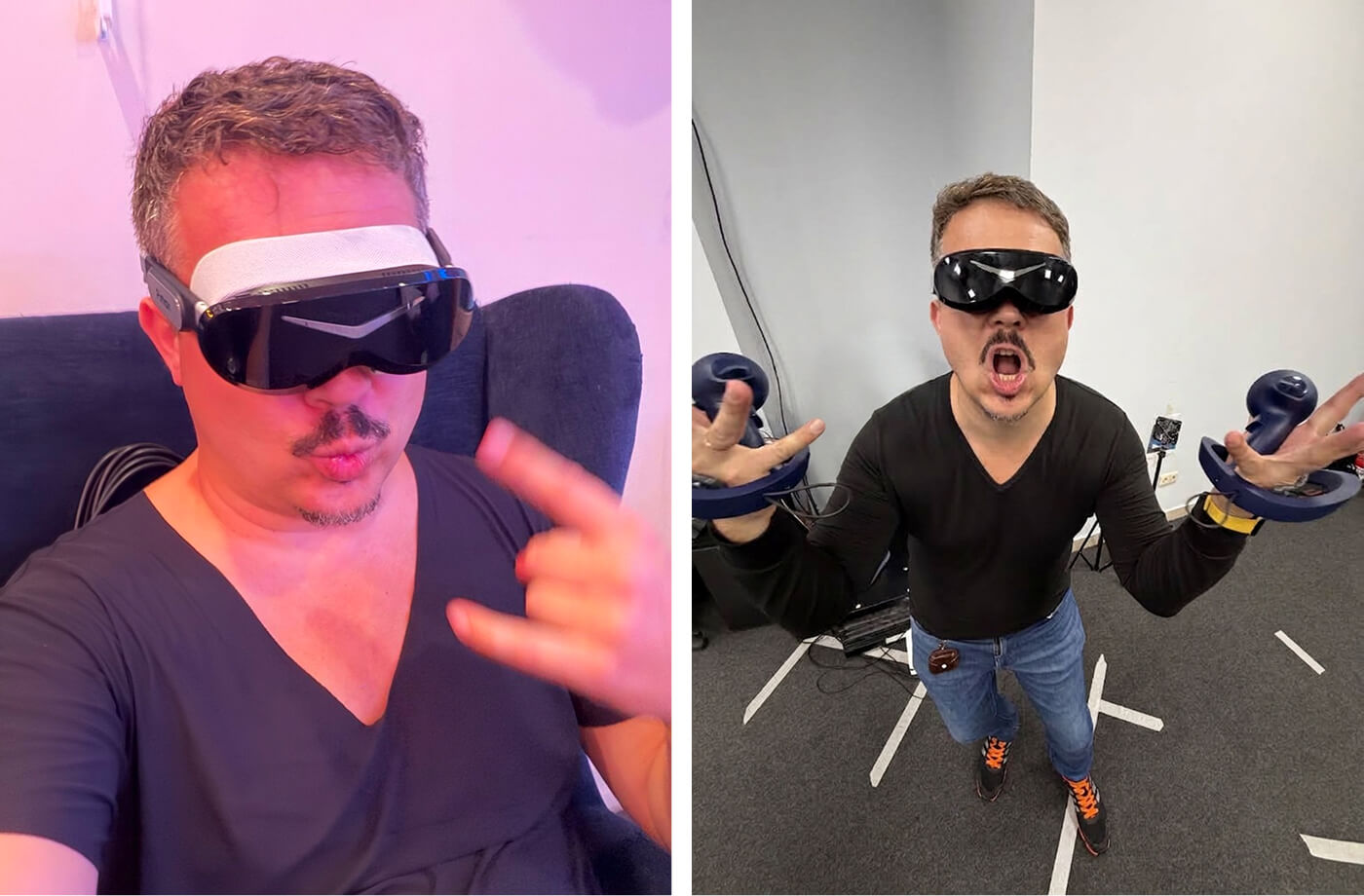
That matters because comfort is not just a hardware feature. For professional XR, a headset is not useful if people do not want to wear it.
Can You Forget That You Are Wearing A Headset?
This is probably the hardest question for any VR headset.
After short testing, my answer is: not completely yet.
Dream Air is compact, but it is still a VR headset. The weight is noticeable, and longer sessions require more testing to understand how comfortable it remains over time.
There is also one design solution that stood out: the rear connection area where the cables meet can become warm and noticeable during use.
Who is Pimax Dream Air actually for?
Based on my first tests, I see at least three obvious use cases.
VR gamers
This is probably the most obvious audience. If you care about visual fidelity in games, Dream Air has a lot going for it: high resolution in a much more compact form factor than typical high-end Pimax headsets.
For gamers, being able to see fine details clearly can make a big difference, especially in visually demanding experiences and simulators.
LBE entertainment
This is where Dream Air gets particularly interesting for us.
We develop LBE VR rides across Europe, and in this kind of experience you often don’t need users to walk around freely. They stay seated in a motion rig while the headset does the visual heavy lifting.
That makes some of Dream Air’s limitations much easier to make up for. If visual quality is one of the most important parts of the experience, a lightweight high-resolution headset can be a very attractive trade-off.
For our kind of rides, this could be a really interesting direction to explore.
Professional visualization & enterprise demos
High visual quality can also be valuable for architectural visualization, digital twins, detailed 3D models, and immersive product demos.
But this is where I want more hands-on testing before drawing any strong conclusions. For professional and enterprise use, image quality is only one part of the equation — stability, setup, software, and the overall workflow matter just as much.
First Impressions
My first impression of the Pimax Dream Air headset is that it is not trying to be “the headset for everyone”.
Instead, it focuses on a specific challenge: delivering high-end VR visuals in a much smaller package.
For enthusiasts and developers, this direction is very interesting. For business XR, the answer depends on the exact scenario.
The next step is testing it where it matters most for us: real XR workflows. In Part 2, I’ll look closer at Pimax Dream Air from a production perspective: how it performs with professional XR applications, heavy content, and whether it can become a practical tool for enterprise use.