
AI-Generated Art and the New Standards for Design
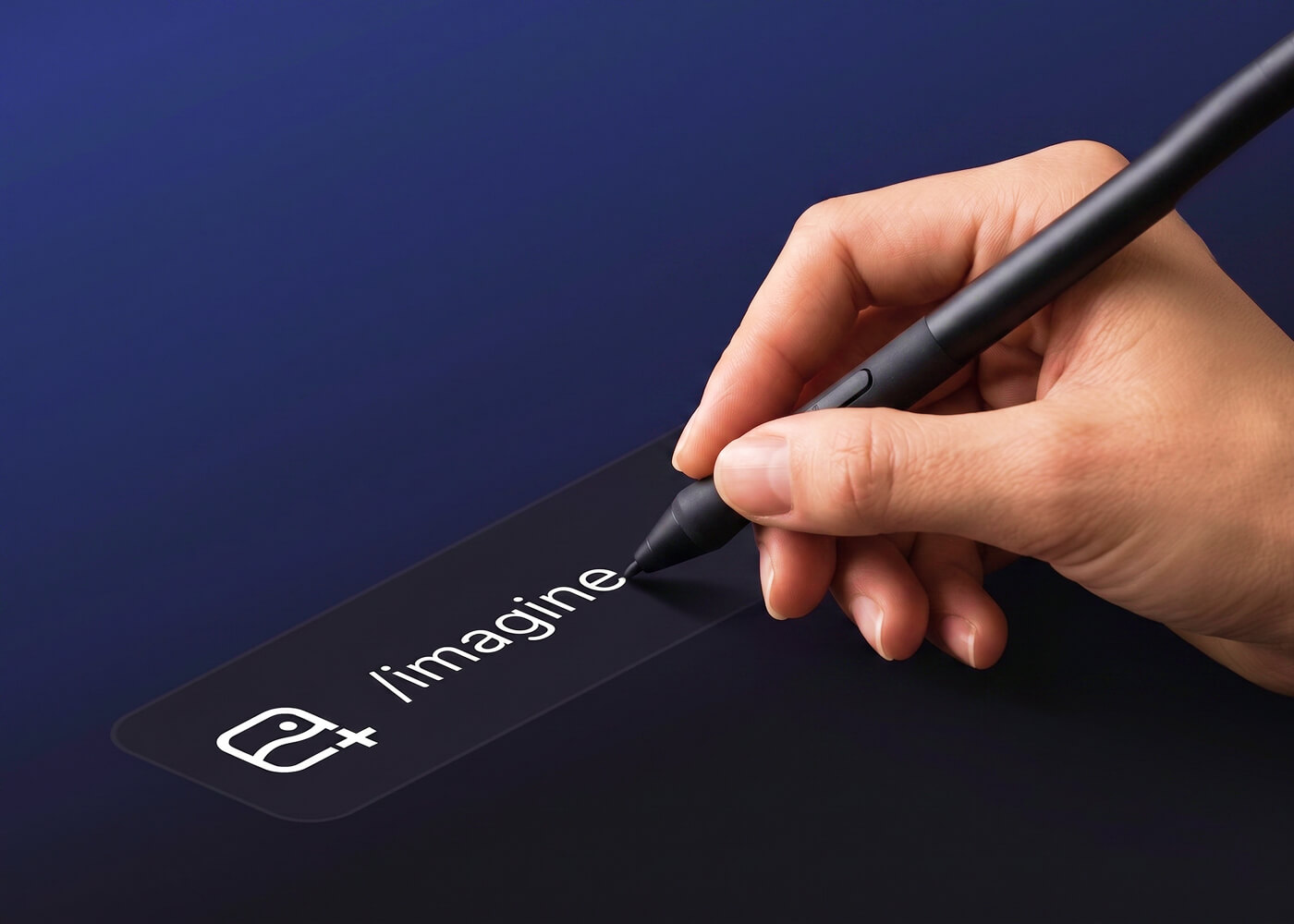
Generative Artificial Intelligence, or generative AI, has changed visual production faster than most creative teams expected. At JetStyle, we often discuss AI in creative production as a way to reduce costs, speed up concept work, and test more visual directions before full production starts.
We write a lot about it in our blog.
But there is another side to this shift: AI does not simply make design easier – it raises quality standards.
Aleksey Kulakov, CEO and co-founder of JetStyle, shared several observations on how AI-generated art is changing the work of designers, illustrators, and art directors. Here are the key ideas:
How generative AI changes the standards for visual design
AI image tools have made a huge leap in just a few years. That part is obvious. What is more interesting is the side effect: the audience has become harder to impress. Images that looked strong three years ago may now feel weak. And this applies not only to AI-generated art, but also to work made by human artists.
People have seen too much good-looking AI output. Their visual standards have changed. The bar for illustration, concept art, and visual production is simply higher now.
Why it’s harder to find good design references
Finding references has become much harder, partly because the internet is full of low-quality AI content. But that is not the only problem.
The bigger shift is taste. Designers, art directors, and viewers have become more visually trained. We notice generic style, weak composition, fake complexity, and empty visual effects much faster than before.
How AI graphic tools influence creative production
AI graphic tools make it possible to show ideas that used to be too expensive, too slow, or too risky to visualize.
That is a real advantage. Teams can test more directions, try bolder visual language, and show early concepts much faster. In this sense, AI in creative production expands what a team can imagine.
Read how we use AI to test new VR features.
But the more you use AI seriously, the clearer you see the limits. AI can do a lot, but it also still cannot do a lot. And the difference becomes very visible once you start working with it professionally.
Generative AI and art direction
For an art director, AI means more possibilities — and more work. More versions to review. More weak results to reject. More details to control. More decisions to make.
The level of self-demand goes up. You need sharper taste, better visual judgment, and a clearer idea of what you want from the image.
In a way, AI forces creative directors to learn faster.
Will AI replace designers?
Generative AI does not remove the need for designers. It makes the role more demanding.
A designer still needs taste, visual culture, composition skills, and the ability to turn raw output into a meaningful result. AI can generate options, but it cannot decide what is right for the brand, the story, the audience, or the product.
AI can reduce production costs and speed up parts of the process. But it does not mean there is suddenly less work.
There is still a lot to do: prompts, references, iterations, selection, correction, editing, and final art direction. Sometimes AI gives you more options — and that means more responsibility to choose the right one.
Want to discuss AI in creative production?
Many clients are cautious about AI-generated visuals — and for good reason. Nobody wants generic images, fake complexity, or a concept that looks like everything else on the internet.
At JetStyle, we use AI as a way to expand our creative field. During early brainstorms, AI tools help us generate 3–5 times more visual directions than a traditional process would usually allow. That gives the team and the client more to compare, discuss, reject, combine, and refine into a strong final concept.
For us, AI in creative production gives a chance to make the early stage richer, faster, and more flexible — while keeping human taste, art direction, and responsibility at the center of the process.
If you want to explore how AI can help your next campaign, digital product, XR experience, or visual concept, write to us at orders@jet.style or book a call with JetStyle. We’ll discuss where AI can reduce costs, speed up production, and give your team more creative options without losing control over the result.