
How Immersive Technology Makes Cultural Venues More Engaging
At JetStyle, we create Extended Reality (XR) experiences for business. A large part of our work is connected with tourism, culture, entertainment, and edutainment — areas where immersive technology can create strong visitor engagement.
For museums, heritage sites, cathedrals, observation decks, public spaces, and cultural venues, XR experiences can help attract visitors, make exhibitions easier to understand, extend time on site, and create memorable moments that people want to share.
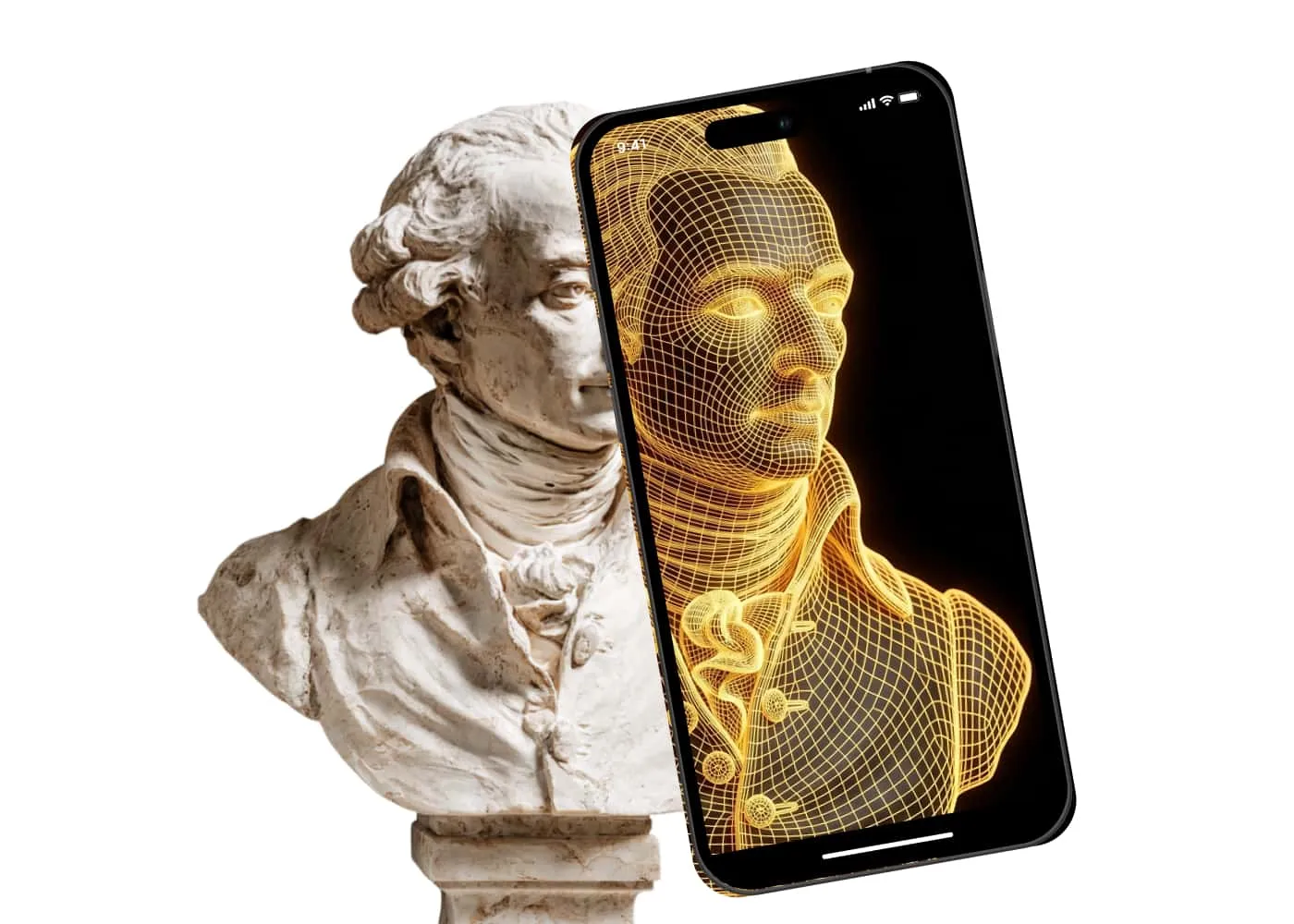
XR is not one format. It can be an Augmented Reality (AR) route, an interactive exhibit, a digital character, a gamified quest, a historical reconstruction, a visual art object, or a collectible experience that continues after the visit.
At JetStyle, we have built a library of XR mechanics for business: different ways to entertain, educate, engage, and bring visitors back. In this article, we use one cultural concept as an example to show how broad these possibilities can be.
XR concept for a museum: Königsberg Cathedral and Immanuel Kant
To explore how XR can work for a museum or heritage site, we imagined an immersive experience for Königsberg Cathedral, the burial place of Immanuel Kant.
The goal was simple: design an XR experience for a museum route that makes Kant’s life and ideas easier to explore in a visual, short, and engaging way.
Why VR works for museums and heritage sites
Museums often need to deal with several experience challenges at once:
To educate visitors, but not overwhelm them.
To preserve historical meaning, but also feel relevant.
To guide people through space, but still leave room for discovery.
To be memorable, but also easy to operate.
A VR museum experience can support all of these goals.
An AR route can turn a physical location into a story.
An interactive exhibit can make abstract ideas easier to understand.
A digital character can explain history in a more human way.
A gamified mechanic can motivate visitors to complete the route.
A shareable digital result can extend the experience beyond the museum.
This is why XR is especially useful for culture, tourism, and edutainment. It connects physical space with digital content and helps visitors interact with a place instead of only looking at it.
AR route for a museum: five points around the cathedral
The imagined format for Königsberg Cathedral started with several practical constraints:
five AR points around the cathedral
physical markers installed on site
light audio support, such as music, short voice lines, or stylized narration
short visual scenes instead of long historical lectures
content that works outdoors, where attention is limited
These constraints are important for any AR experience for museums. Outdoor cultural routes should not depend on long text, perfect silence, or visitors wearing headphones. The interaction should be quick, visual, and understandable on the move.
A five-point AR route gives the experience structure. Each point can reveal one part of the story, one object, one philosophical idea, or one interactive task. Together, the points create a complete visitor journey.
Let’s discuss an XR experience for your museum or venue
If you are exploring how to make your museum, heritage site, public space, or visitor attraction more engaging, JetStyle can help you turn the first idea into a clear XR concept. We can suggest mechanics that fit your location, audience, budget, and timeline.
Write to us at orders@jet.style or book a call with JetStyle, and we’ll help estimate the concept, production scope, timing, and cost for your XR experience.