
How to Effectively Visualize Complex Products with VR
Trade shows are essential for many businesses, but they often come with the challenge of showcasing massive, complex products that are too large or intricate for traditional booth setups. For industries like manufacturing, engineering, and technology, the physical limitations of booths can make it nearly impossible to display their products effectively.
In this article, we’ll explore how VR solutions like Dream Booth XR can help companies overcome these challenges, allowing them to showcase complex products, from heavy machinery to non-material services, in a way that’s both cost-effective and impactful.
The Challenge: Displaying Complex Products
For UTECH, a leading producer of engineering solutions, the traditional trade show booth was never enough. Their products, including large-scale machinery and customizable construction systems, required too much space and were difficult to transport.
One example was their concrete wall system, which had multiple mounting options and customization features. The physical space required to showcase this product at a trade show would be enormous and impractical. On top of that, displaying different configurations of the product would have been logistically impossible.
Dream Booth XR: The VR Solution
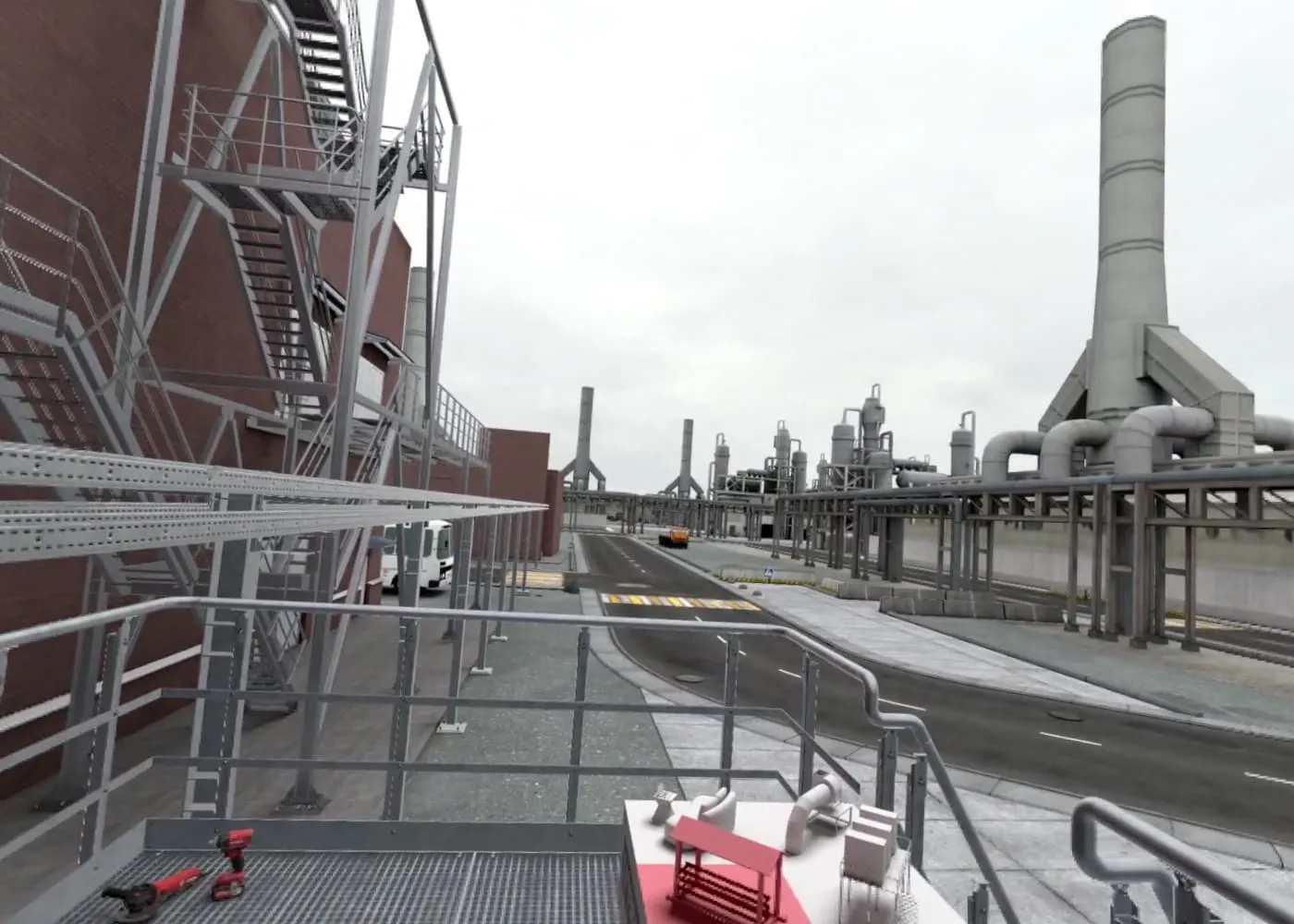
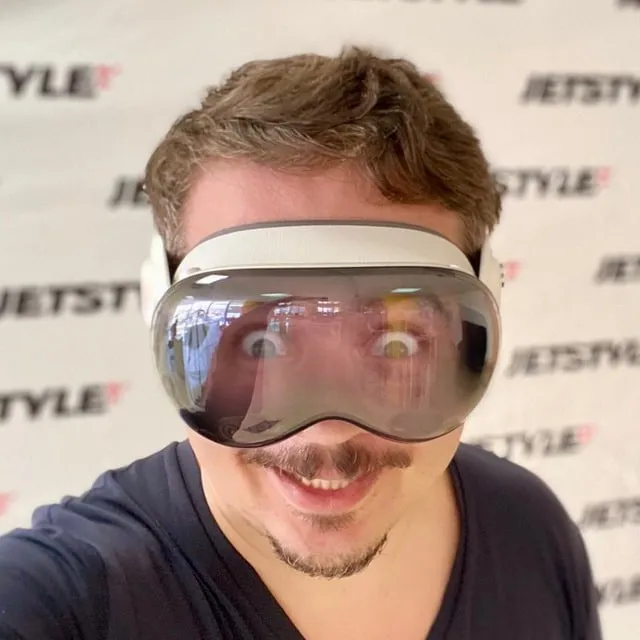
Dream Booth XR allowed UTECH to solve the “impossible booth” problem. With Dream Booth XR, UTECH showcased their products in a virtual environment, allowing visitors to interact with them virtually. This VR booth gave UTECH the flexibility to showcase their concrete wall system with different mounting options, materials, and interactive “exploded views,” all within a compact space.
Instead of presenting a physical model, UTECH could offer a fully immersive experience where prospects could zoom in, rotate, and explore the system in real time. This eliminated the need for vast booth space and expensive transportation while delivering a dynamic, interactive experience.
The Power of VR in Product Visualization
- Space Efficiency – In a traditional booth, showcasing massive products requires large, expensive floor space. With VR, you can display products in a compact area. Even a small 4m² space is enough.
- Interactive Experience – Traditional booths present products as static objects, but VR allows visitors to interact with products in real-time. UTECH’s VR booth, for example, allowed visitors to switch between various configurations and explore different product features.
- Cost Savings – Shipping large equipment and building custom booths are costly. With VR, you eliminate these expenses and only need to update the digital content for each event.
- Reusability – Traditional booths require rebuilding for each event, but a VR booth is reusable.
- Remote Engagement – With VR, one person can manage the booth while key team members or executives can join remotely. This reduced the need for extensive travel and accommodation, saving on staffing costs.
Does VR Mean Less Impact?
Switching to VR doesn’t mean sacrificing impact. On the contrary, UTECH found that their VR booth led to higher engagement and more meaningful conversations. UTECH was even able to sell products that had been sitting in inventory for years after showcasing them in their Dream Booth XR.
Conclusion
UTECH’s success with Dream Booth XR proves that VR is the future of product visualization at trade shows. It’s a cost-effective, engaging, and scalable way to showcase your products, regardless of their size or complexity.
Next Step: Ready to showcase your complex products in VR? Request a demo of Dream Booth XR and see how it can transform your trade show presence while saving you money.