
EdTech Platforms Design & Development
According to Eurostat, more and more internet users are turning to online learning (Source).
The demand for online education keeps growing. It’s a profitable industry, but also a highly competitive one. And when it comes to success, a lot depends on the platform you offer to your students.
We’ve worked on many EdTech projects and here are a few key takeaways from our experience:
🤓 A custom-built platform helps preserve your unique teaching approach, especially if you’re transitioning from offline to online.
🤓 To keep students engaged, you need to use different types of multimedia. That means your platform must support and seamlessly deliver all this content.
🤓 Videoconferencing tools and messengers are not built to track individual student progress over time. If you’re listing must-have features for your platform, this should be one of them.
🤓 Students learn at different speeds. Your platform should allow for personalized feedback without disrupting the flow of others.
Here’s a quick dive into some of the EdTech platforms JetStyle developed:
This project was created for a local branch of Special Olympics, an international charity that promotes sports and leisure activities for children with mental health challenges. When the Covid-19 pandemic hit, JetStyle helped the center move online with Pocket Coach, a dedicated sports portal.
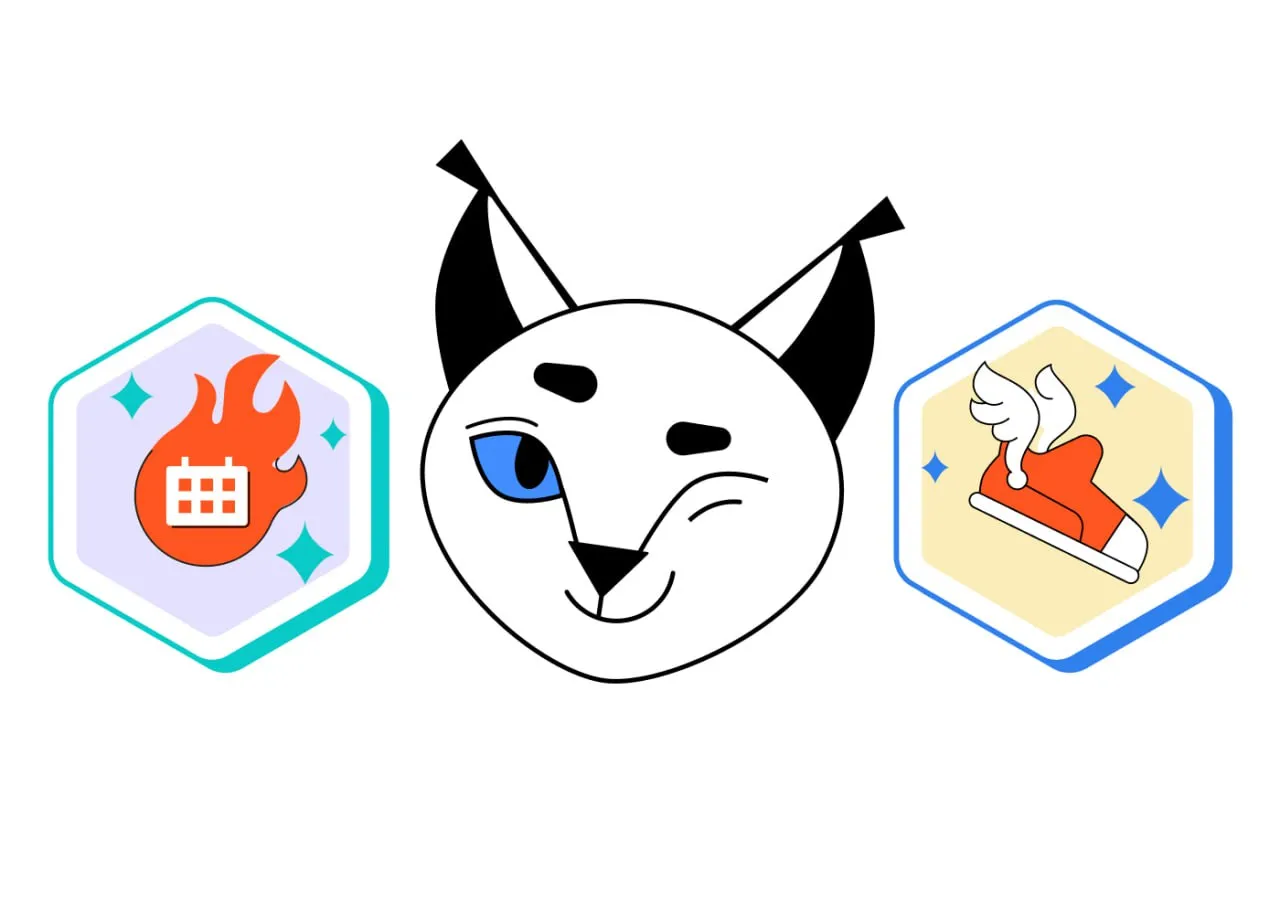
We designed Lynx, a friendly virtual mascot that welcomed kids to the platform and guided them along the way. To ensure accessibility, we also integrated features that made Pocket Coach easy to use for children with mental health issues.
Back in 2020, IQ007, an international education center for children, needed to move online due to the pandemic. At first, it seemed like an easy switch—teachers could just use Zoom or similar platforms. But none of the existing tools supported IQ007’s unique teaching methodology.
We built a custom platform from scratch, allowing teachers to upload and stream their own content, run group and individual lessons, and maintain the quality of their educational approach.
This project was developed in collaboration with Spherical, our long-term partner. The Confident German language school offers a range of courses—for adults and kids, beginners and advanced learners, general and business-focused.
We built a user-friendly, adaptive website where students could explore courses, learn about teachers, book trial lessons, and manage their schedules and payments.
If you’re interested in building an education platform, let’s talk! Drop us a message at orders@jet.style