

How AI Avatars Extend LBE Experiences
At JetStyle, we have been creating location-based XR experiences for years — from VR rides and entertainment attractions to cultural and educational projects. Together with The VR Boys, we develop LBE XR experiences across Europe.
With every new project, we learn that successful VR attractions are not only about visual quality or technical innovation.
A great LBE experience also needs to answer business questions:
- Will visitors stay engaged until the end?
- Will they remember the experience afterward?
- Will they share it with others?
- Will they have a reason to return?
In entertainment, one of the strongest tools for this is user-generated content (UGC).
Photos, videos, souvenirs, and other personal artifacts extend the experience beyond the venue. They turn a one-time visit into something visitors can keep, share, and talk about.
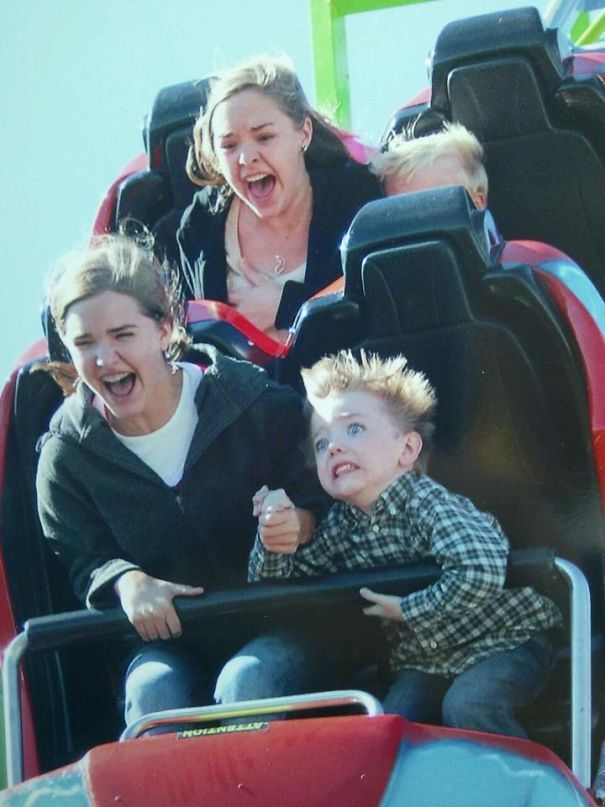
A person wearing a VR headset cannot simply take a selfie inside the experience. External photos of someone wearing a VR headset usually do not communicate the actual emotions or scale of what they experienced.
Some attractions solve this by creating generic videos of the ride. But these often feel disconnected from the visitor.
But VR creates a challenge: how do you capture a person inside a virtual world?
Creating Personalized Avatars for LBE VR Experiences
While working on future LBE concepts, we explored a solution: generating a visitor’s own 3D avatar and using it inside the VR experience:
- A visitor takes a few photos.
- AI generates a 3D representation.
- The avatar appears inside the virtual world.
- After the experience, the visitor receives personalized content showing their own digital character.
Instead of saying: “I tried a VR ride”, a visitor can share: “Look what happened to me inside this world.”
Using AI to Speed Up 3D Avatar Creation
Creating realistic human avatars has traditionally required significant manual work. For LBE experiences, this creates a practical challenge: the process needs to be fast enough to support many visitors, while still producing believable results.
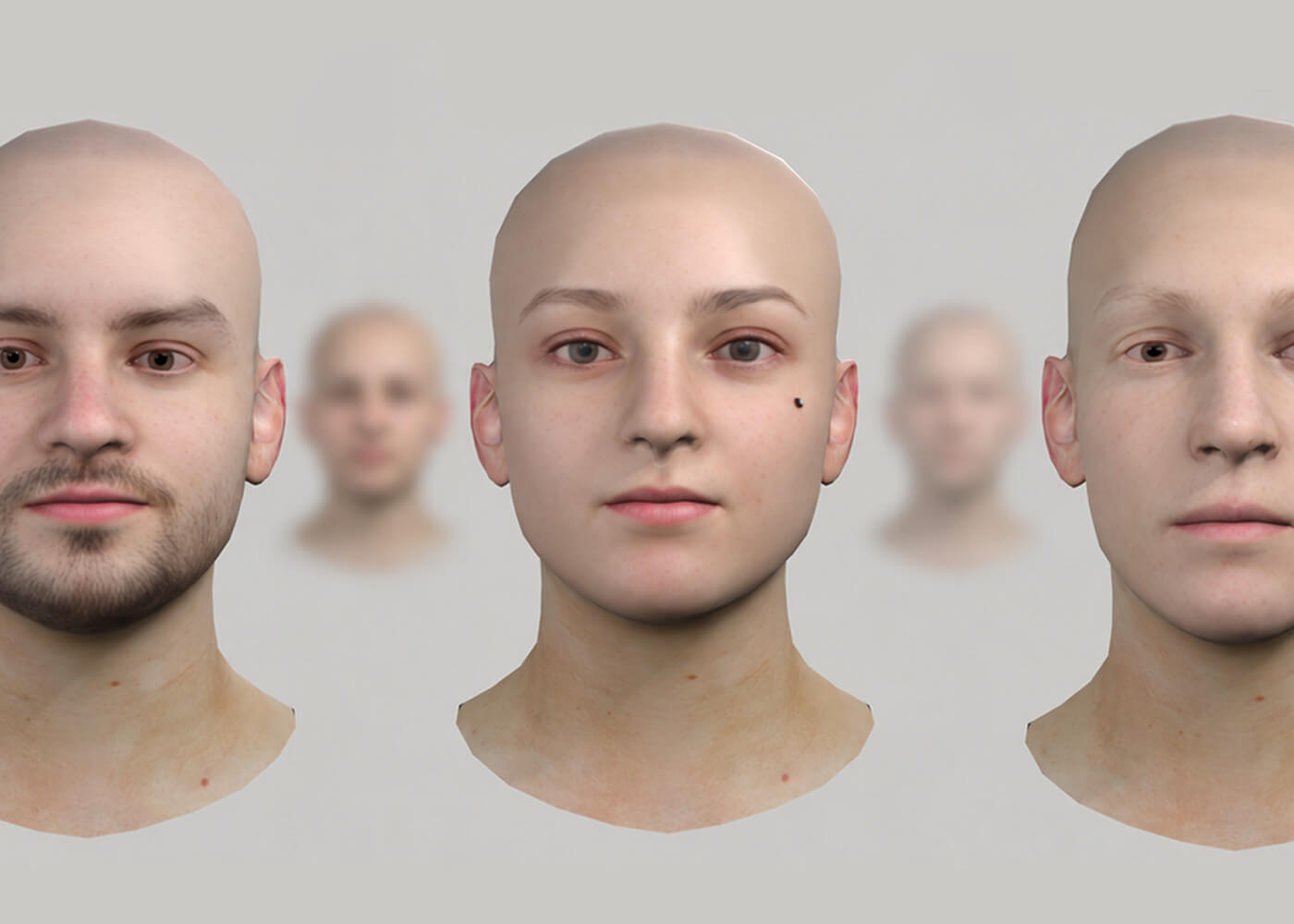
To explore this challenge, our 3D Art-director Ivan Ilin created an internal tool that combines several AI models and automates the process of generating a 3D head from simple photographs.
The goal was not to create a perfect digital human. We needed a recognizable avatar that can work inside a stylized but realistic XR experience.
How We Built the AI Avatar Pipeline
The system combines multiple AI-based tools, each responsible for a specific part of the process.
The workflow includes:
- analyzing input photographs;
- generating the 3D head;
- adjusting facial geometry;
- preparing the model for animation;
- adding elements needed for VR interaction.
Instead of relying on one black-box solution, we built a more flexible pipeline where individual steps can be adjusted. This is important because many existing avatar generators provide impressive results but offer limited control over the final model. For XR production, flexibility matters.
A VR experience may require:
- a specific polygon count;
- predictable topology;
- facial animation;
- compatibility with existing characters and environments.
A result that looks good but cannot be modified is often not enough.
Current Results and Remaining Challenges
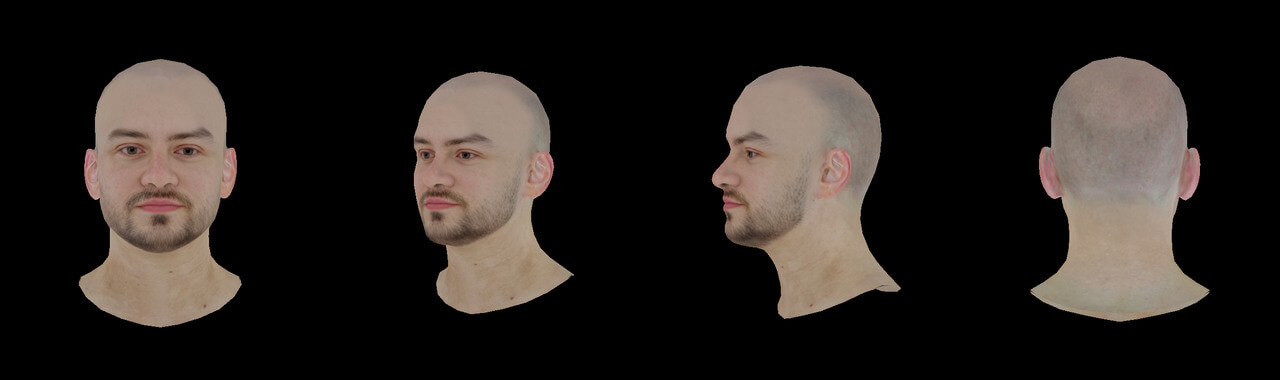
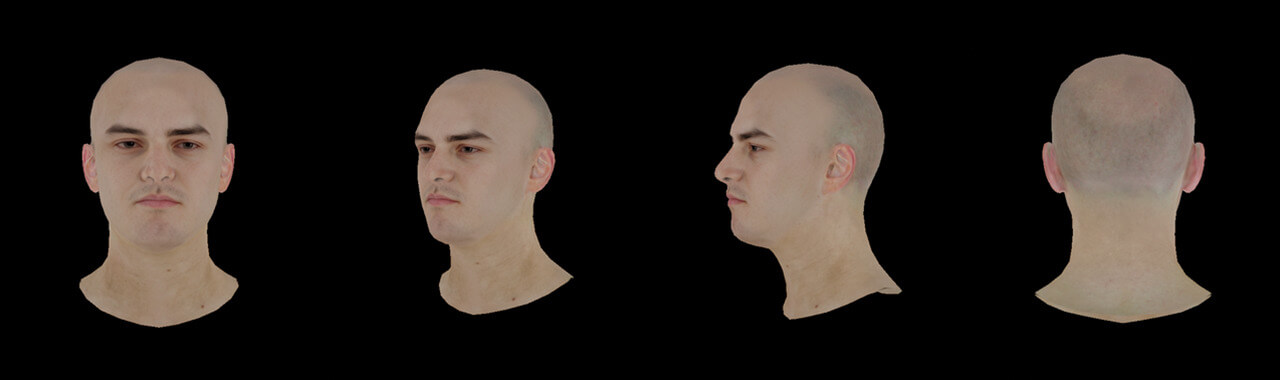
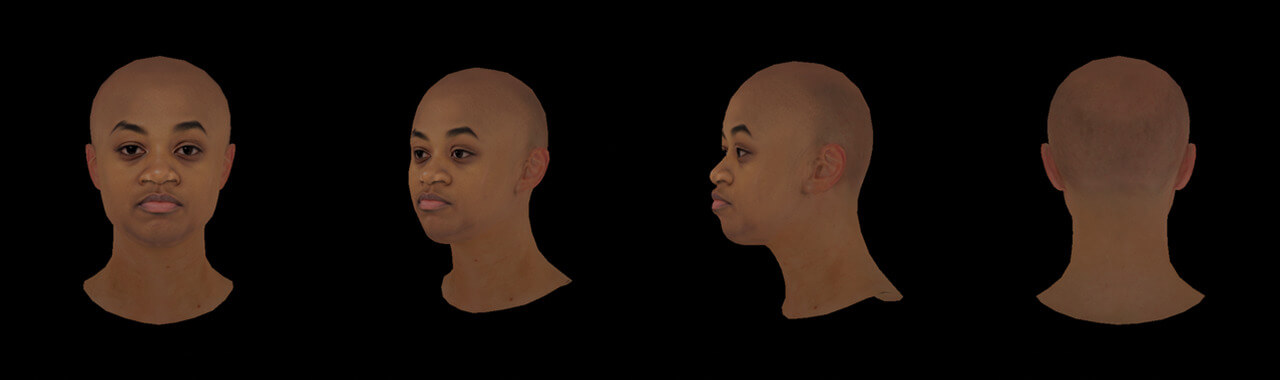
The current system can generate a usable 3D head from front and profile photos.
The generation process has been optimized from around 15 minutes to approximately 90 seconds per head by running multiple operations in parallel.
The system has been tested with multiple participants and can already support the idea of personalized avatars for VR attractions, museums, and interactive experiences.
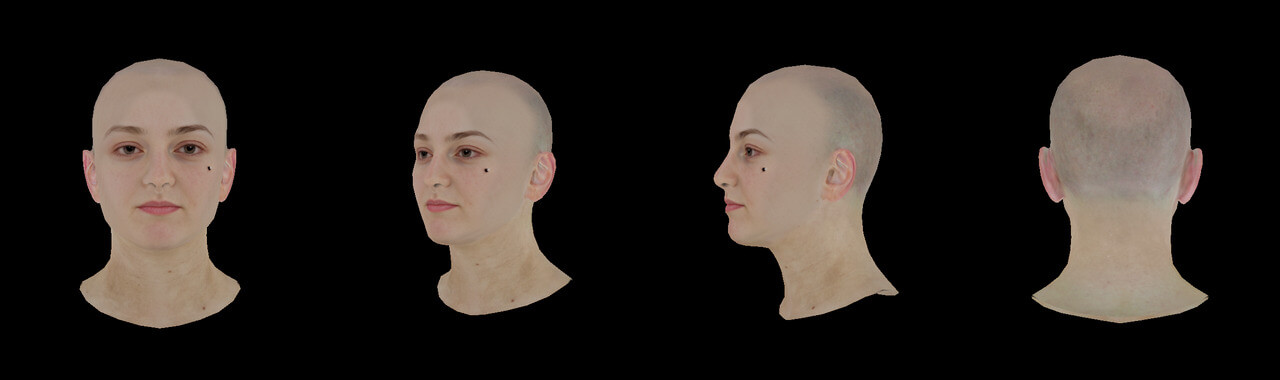
However, some challenges remain:
- Hair and facial details
Instead of generating every individual hairstyle from scratch, our current direction is to recognize hair type and volume, then select an appropriate prepared hairstyle.
- Facial animation
The next step is improving eye movement and mouth expressions, which are needed for more expression in avatars.
- Accessories and individual features
Some details, such as glasses, facial hair, or specific features, require additional work.
The challenge is always the same: finding the right balance between realism, performance, and production speed.
Why AI Avatars Boost LBE Businesses
The strongest LBE attractions create a memory loop:
experience → emotion → personal content → sharing → return visit
Personalized avatars and AI-generated content can become part of this loop.
For an LBE business, the value goes beyond the ticket itself. The visitor does not only leave with a memory of the experience — they leave with a piece of personalized content they can share through their own channels. This creates an additional touchpoint after the visit, extending the life of the attraction beyond the physical venue and helping turn individual experiences into organic promotion.
The Future of Personalized XR Experiences
AI is changing how quickly we can create personalized digital content.
For XR, this opens interesting possibilities: every visitor can potentially become part of the virtual world instead of only observing it.
If you are developing an LBE attraction, VR ride, or immersive experience, we can help explore how personalization and AI can increase engagement and create stronger reasons for visitors to return.
Write to us at orders@jet.style — and let’s discuss your XR idea.