At JetStyle, we strive to create VR experiences that keep visitors engaged, encourage them to return, and help venues generate more value from every visit.
Karaoke
Concepts for VR
At JetStyle, we strive to create VR experiences that keep visitors engaged, encourage them to return, and help venues generate more value from every visit.


This concept, developed together with the VR Boys, explores how Virtual Reality could expand and boost a traditional karaoke room, because VR can make anything more engaging and fun.
This is not a completed product, nor a released project for a client. It is a concept we’re working on – because we’re exploring different ways a VR karaoke attraction could work, entertain both performers and spectators, generate additional revenue, and support long-term retention.
The concept is available for future production as is, and it's ready for transformations tailored to your business requirements.
Design a VR karaoke experience that feels social, easy to use, and suitable for a real bar environment.
The concept starts with several practical requirements:
VR often separates the player from everyone else. Karaoke works in the opposite way: it is about performing together, reacting to friends, and becoming the centre of attention.
The solution is to connect the physical and virtual rooms into one shared show.
Here are our ideas how VR could transform a traditional karaoke experience into a mind-blowing attraction. It’s possible to execute just one or a few of the mechanics given in the list, or go all in.
If you own a karaoke venue and explore the ways to make it more profitable, get in touch and we’ll discuss how VR can help you with that. A discovery call with our PM Alexander is always free; choose your perfect slot
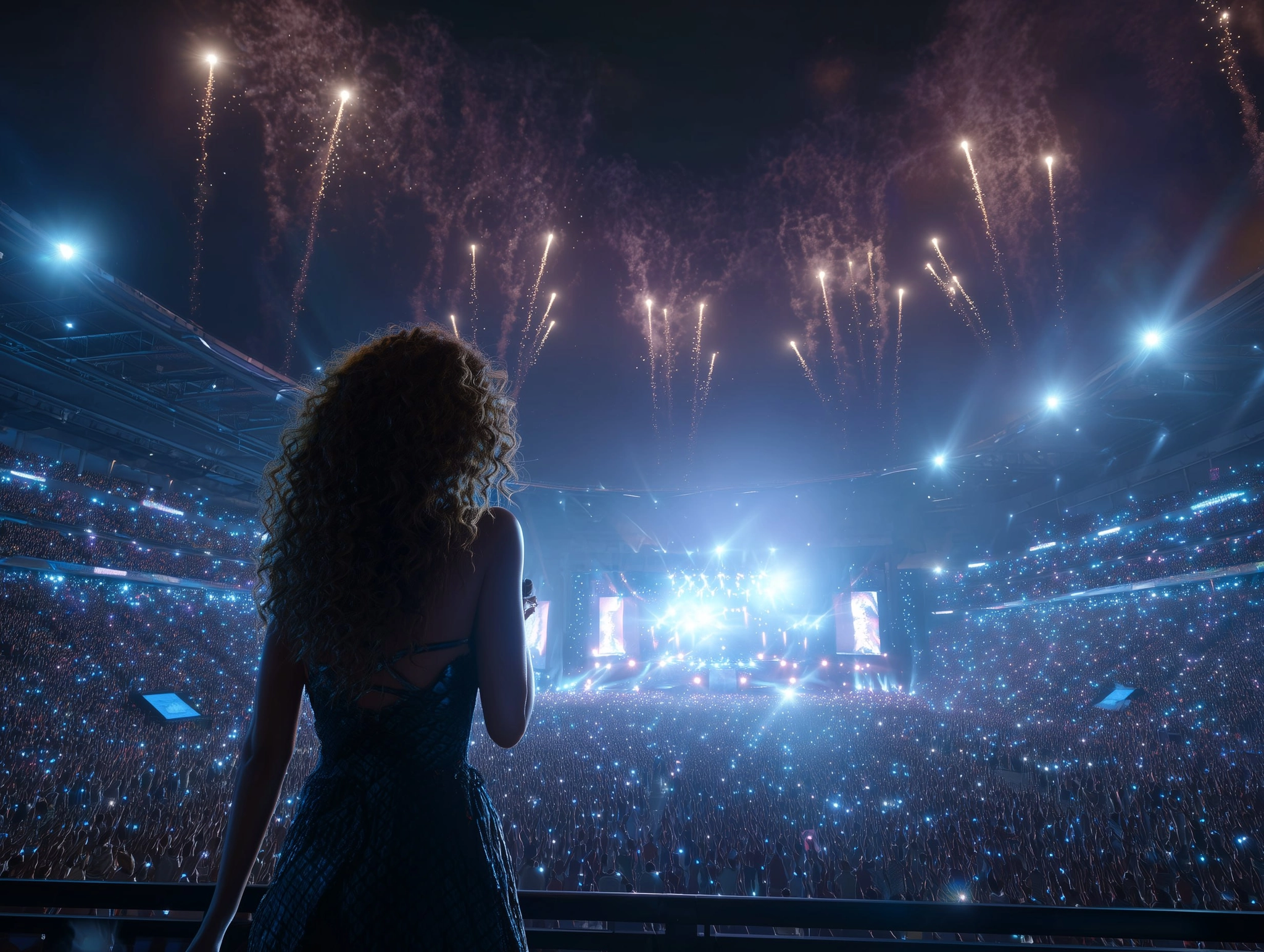
VR can become a uniting experience for the guests in a karaoke room. One or more singers put on VR headsets and enter a virtual performance environment, while the rest of the group stays in the room, orders food and drinks, and watches the show.
The music and vocals still use the venue’s existing karaoke system. VR adds avatars, virtual stages, crowds, and visual effects.
Large screens or an LED wall display the virtual performance using wide shots, close-ups, and dynamic camera movements. The audience sees their friends moving in the physical room and their avatars performing in the virtual world at the same time.
This “dual reality” effect makes the experience entertaining for the whole group, not only for the guests wearing headsets.
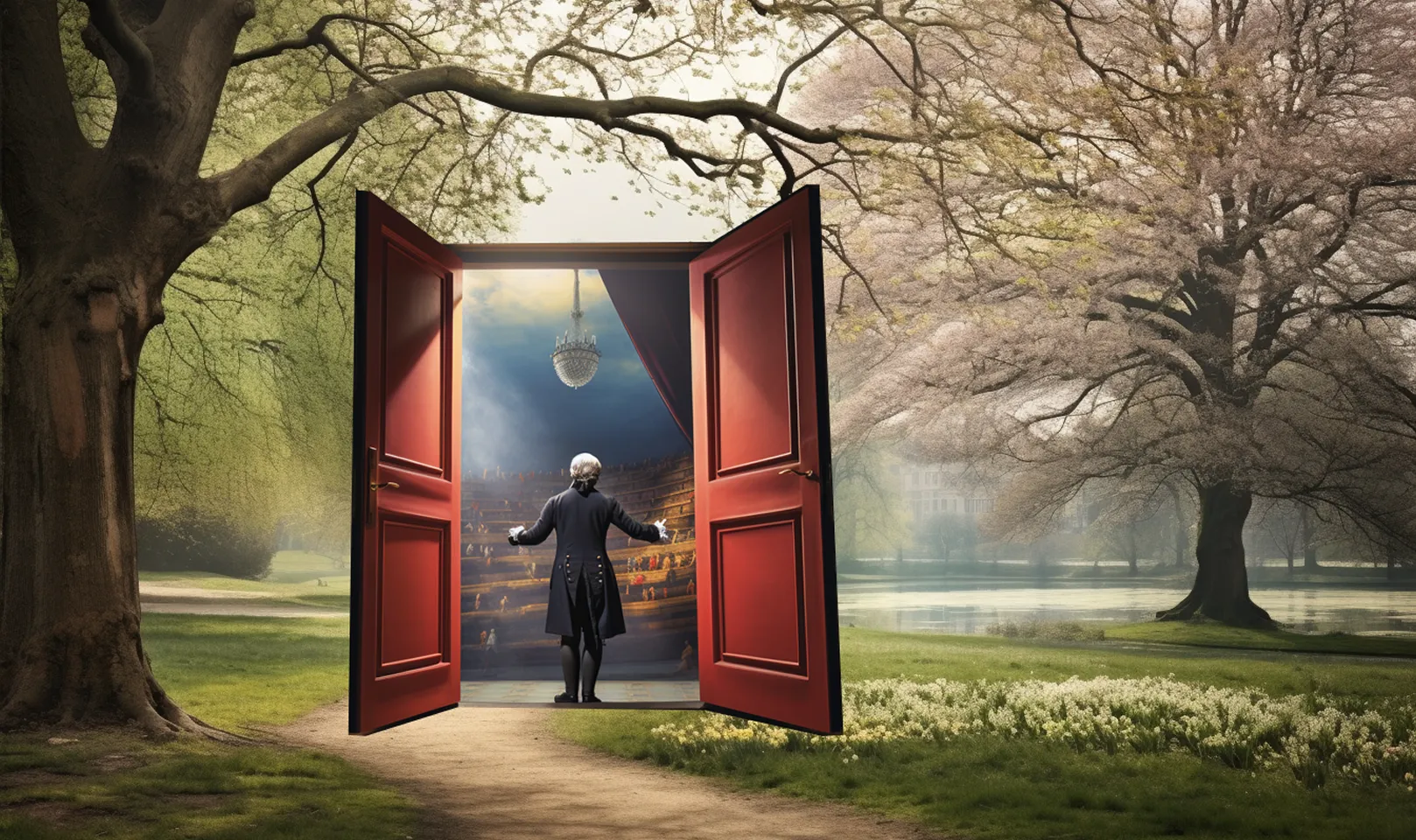
What if the atmosphere of your karaoke room could dramatically change with every new song?
In VR, guests can choose an environment that matches the music or their mood.
The concept includes:
.webp)
.webp)
.webp)
.webp)
.webp)
.webp)
A varied environment library supports repeat visits: guests can return to try new stages and see familiar songs in a different setting.
Guests without headsets can influence the virtual show through a controller, remote, or potentially their phones.
They can:
This turns waiting for the next song into part of the attraction. Friends can support the singer, surprise them, or intentionally make the performance more chaotic.
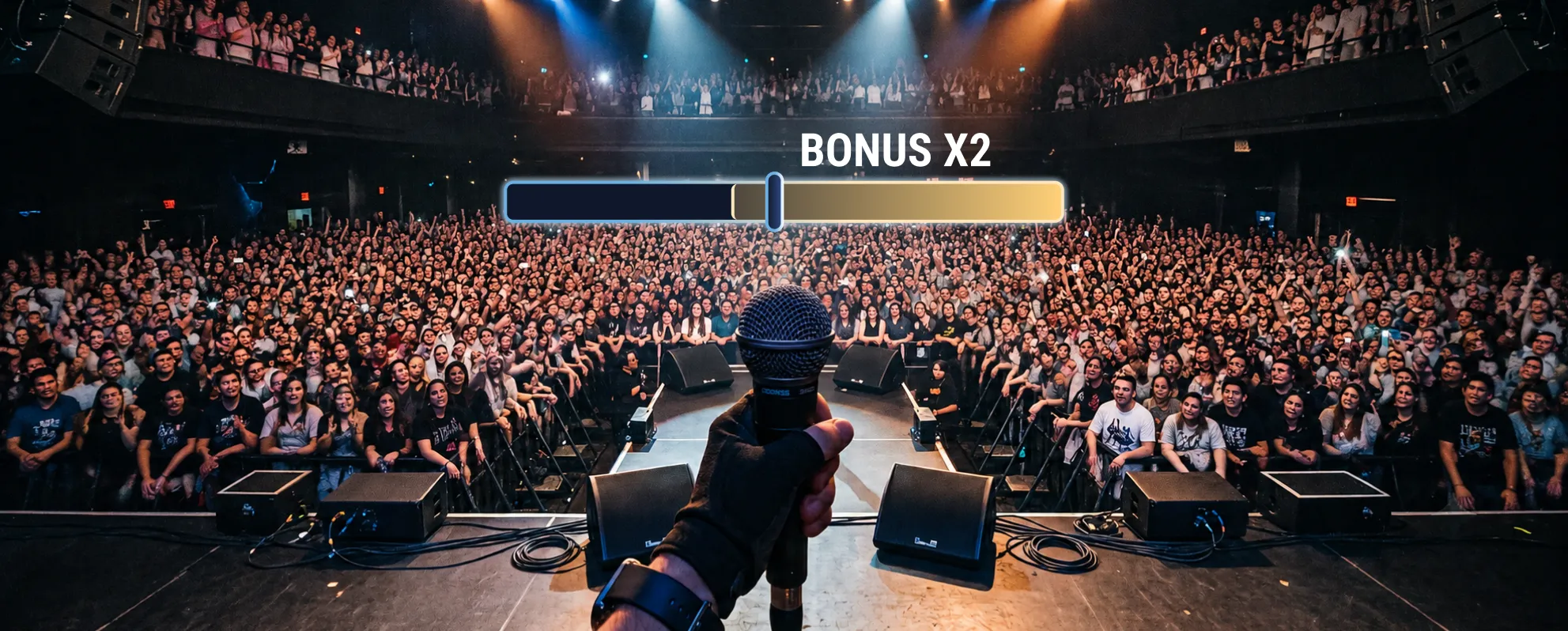
The attraction does not need to judge professional singing ability. It can focus on volume, energy, and participation.
For example, the singer may need to match a target volume range to activate visual effects. Another mechanic sends virtual glasses flying past the player: reaching the right volume shatters them and earns points.
These mechanics addinteraction without making less confident singers feel that they are entering a talent competition.
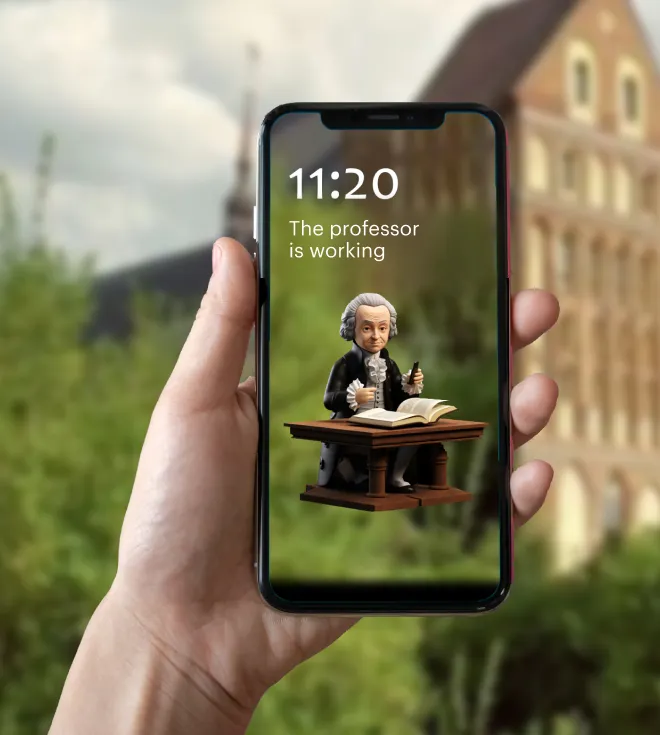
VR provides space for mechanics related to body tracking. Head and hand tracking transfers the singer’s movements to their avatar. The system can interpret the performer’s activity and add suitable leg animations, dance effects, glowing trails, petals, or light bursts.
Some songs may include a virtual dance teacher, backup dancers, or animated musicians performing in sync with separate instrumental tracks.
In group mode, guests can take on different roles: lead singer, backup dancer, guitarist, or drummer. This creates an impressive virtual performance and a deliberately funny physical one for the audience.

Avatars add involvement and gaming dynamics into the entertainment. It’s possible to introduce a set of avatars into the VR karaoke experience. Avatar collections can match each environment: pixel characters for the arcade, neon costumes for cyberpunk Tokyo, or traditional outfits for a Japanese landscape.
Customization should remain quick, with only a few body, costume, and style options. Successful performances may add temporary effects such as flames, glowing clothes, or a crown.
Registered guests could purchase exclusive avatars, unlock them through leaderboard achievements, or receive them through venue promotions.
For example, ordering a specific cocktail could unlock a themed avatar for the next performance. A Popstar Martini might provide access to a glamorous pop-star character.
This connects entertainment, personalization, and additional bar sales.
.webp)
Guests can create a profile before their visit or inside the venue.
The profile may store:
Leaderboards can reward energy, movement, audience reactions, or participation rather than vocal accuracy alone.
New challenges, environments, rewards, and customization options give guests reasons to return, improve their results, and continue building their virtual identity.
An idea to encourage visitors to talk about your VR karaoke: after each song, the system can automatically generate a short clip using several virtual cameras.
The video may combine stage views, close-ups, animated effects, and audience reactions. Guests can save it, send it to friends, or share it on social media.
Instead of posting a standard karaoke recording, visitors receive something that looks like a concert, anime sequence, or music video filmed in futuristic Tokyo.
This creates a personal souvenir and helps guests promote the venue through their own content.
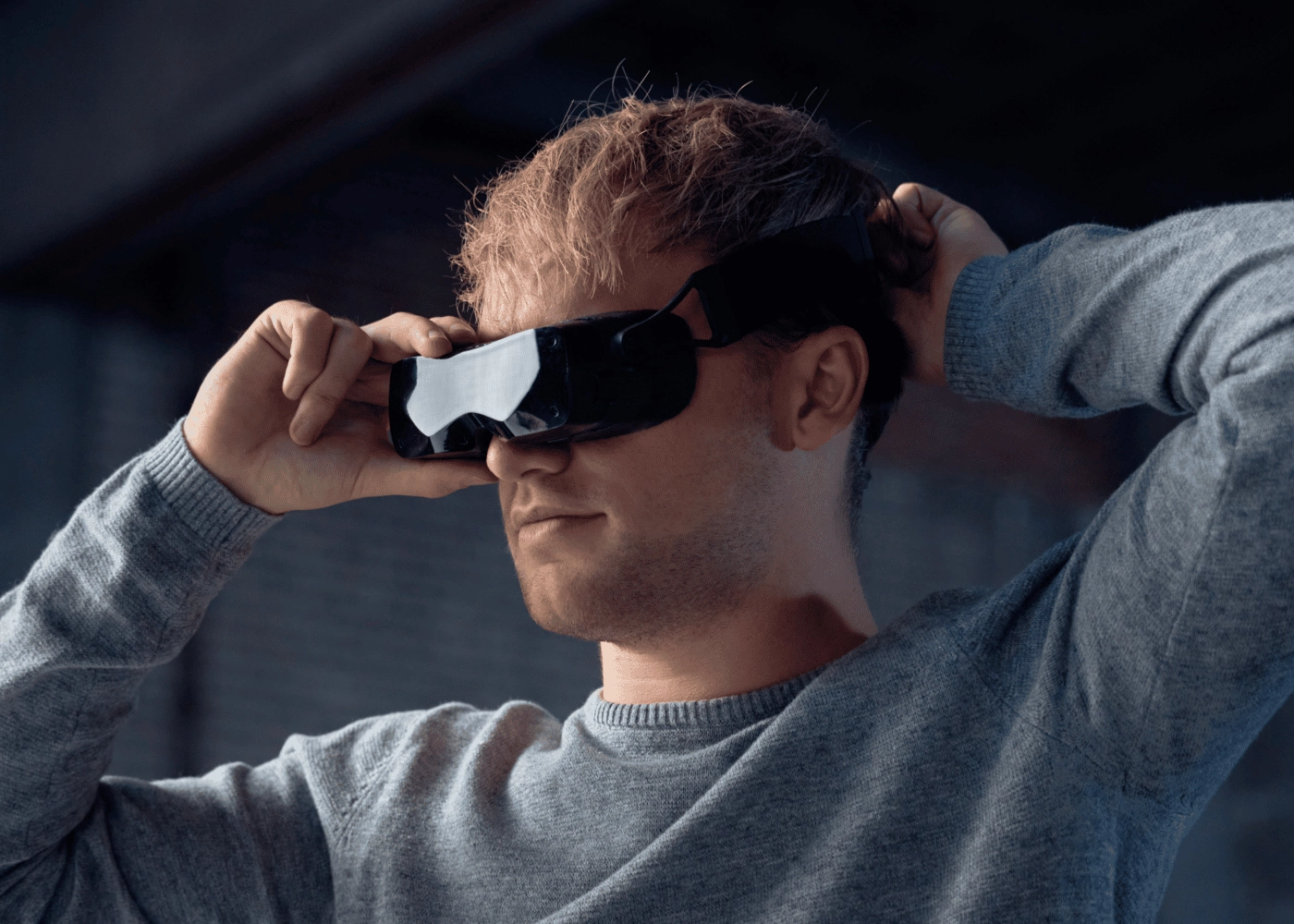
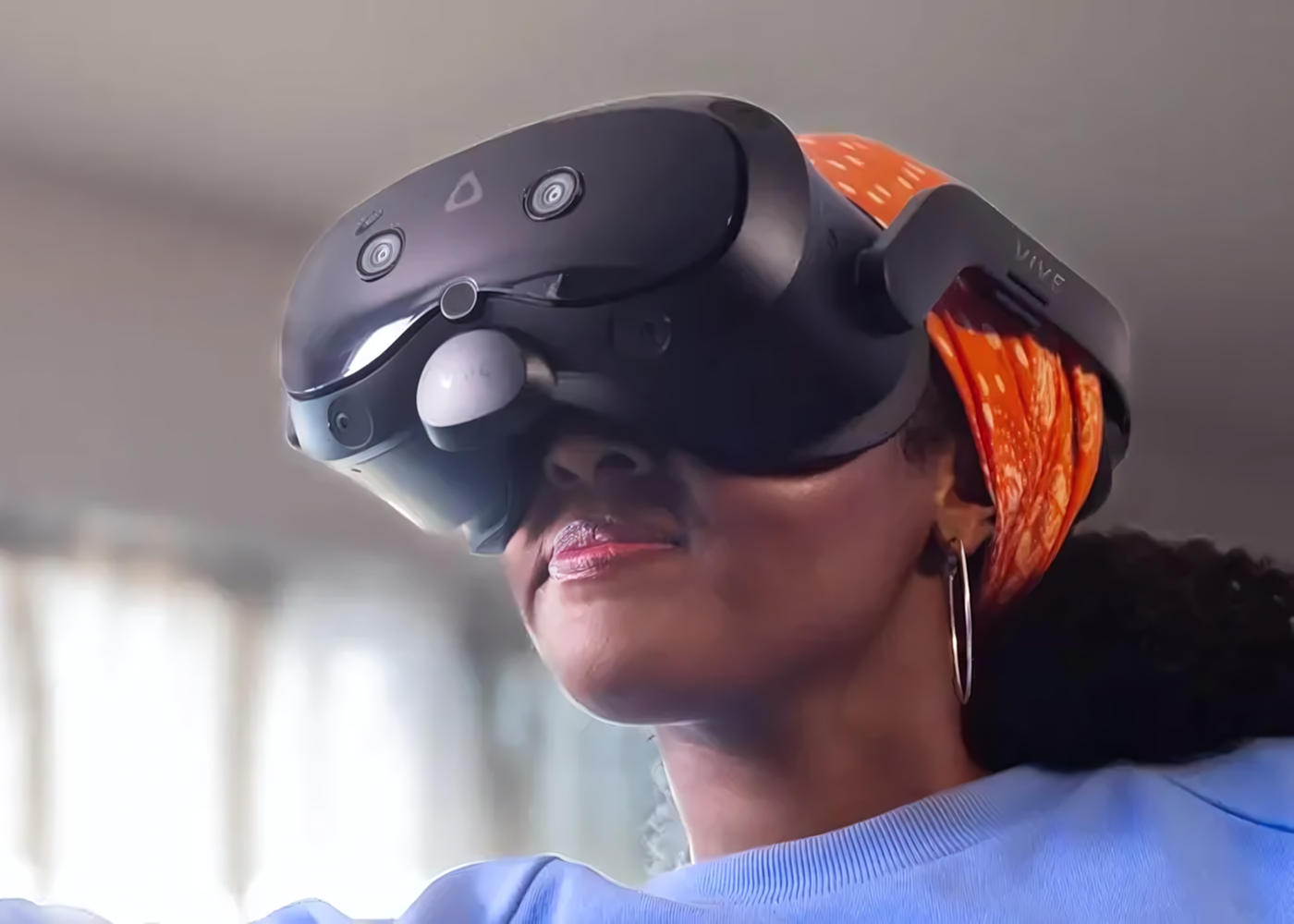
The proposed setup needs PC VR headsets with ceiling-mounted cable management. A wired connection provides stable visual quality and avoids battery interruptions while still allowing performers to move and turn.
Guests continue to use the venue’s existing microphones, speakers, and karaoke system. VR provides the visual experience without replacing the equipment people already understand.
Tracking can cover the performer’s head, hands, microphone, and selected props such as virtual guitars or drumsticks.
Song, scene, avatar, and player setup can be managed through a simple control panel. Visitors should not need to configure the hardware themselves.
It’s crucial that we’re able to provide all necessary tech support to help you launch the VR karaoke experience.
.webp)
This concept can be adapted to different venues, room sizes, audiences, and business models.
JetStyle can help define the guest journey, choose suitable hardware, design the virtual environments, develop game and retention mechanics, and create a prototype for testing the experience in a real venue.
Write to us at orders@jet.style — and we’ll estimate the concept, production scope, timing, and cost.






.webp)